

By Tawnya Fornerod, founder of Just The Strip and a licensed esthetician with almost 25 years of waxing experience who owns multiple waxing studios.
The short answer: Soft wax is spread in a thin layer and removed with a strip, while hard wax is applied a little thicker, sets on its own as it cools, and is lifted off without a strip. Most professional waxers keep both in the room, reaching for soft wax to move quickly over larger areas like legs, arms, and backs, and choosing between the two for faces and Brazilians based on each client's skin, hair, and allergies.
What is the difference between soft wax and hard wax?
Soft wax, often called strip wax, stays soft on the skin and is removed by pressing a strip over it and pulling, while hard wax firms up as it cools and is removed by lifting its own edge. Soft wax is quick over large areas and grabs short, fine hair well, and hard wax is a favorite of many pros for small or sensitive areas.
With soft wax, you hold your spatula at about a 45 degree angle, spread a thin layer in the direction of hair growth, press a strip on top, hold the skin taut, and pull quickly against the direction of growth, keeping the strip low and close to the skin.
Hard wax is applied in a slightly thicker layer, left to set, and then flicked up at one edge and removed in one motion without a strip. Just The Strip does not make hard wax, so I will keep this general, but plenty of pros keep a hard wax pot beside their soft wax pot and switch depending on the area. Whichever you use, a thin layer of Pre and Post Wax Oil before the service helps both hard wax and strip wax grip the hair rather than the skin.
Can you use soft wax for a Brazilian?
Yes, soft wax works beautifully for a Brazilian, and Rosin Free Clear Soft Strip Wax is the soft wax used on faces and Brazilians in my own treatment rooms. The key is working in small sections with a thin layer and holding the skin taut for every pull.
Spread a thin layer, press a strip over it, and remove it quickly, staying low and close to the skin. The bikini area has curves and folds, so smaller sections give you better control and a cleaner result. One important caution for this wax: it is infused with tamanu oil, which comes from a nut, so skip it for any client with a nut allergy and ask about allergies at every intake. For full body work, Honey Soft Strip Wax is our everyday choice for legs, arms, backs, chests, and underarms.
What is rosin free wax, and is it better for sensitive skin?
Rosin free wax is a strip wax made without rosin, the tree resin that gives traditional honey wax its grip, and it is often the better choice for clients who react to rosin or have sensitive skin. Our Clear wax uses a synthetic resin for grip instead and has no added fragrance or dye.
Rosin Free Clear Soft Strip Wax is also infused with tamanu oil and vitamin E to help calm the skin, so the service feels gentler on skin that reacts easily. It melts to a smooth, clear consistency, spreads in a thin, even layer, and grips even short, fine hair. Honey Soft Strip Wax, by contrast, is a traditional rosin based wax with a touch of honey extract, and it grips the hair firmly for a quick, clean pull on general body areas.
So is rosin free better? For faces, Brazilians, and sensitive skin, it is the one I reach for. For a full body service on skin that tolerates rosin well, Honey is a dependable workhorse.
Pellon or muslin strips: which is better?
Pellon strips are non woven, so they keep their shape, pull evenly, and do not shed threads or leave lint behind, which is why many pros prefer them for a crisp, consistent pull. Muslin is a woven cotton fabric that is soft and flexible, though it can fray and stretch.
Our Pellon Waxing Strips come precut, 100 to a pack, at 2.75 by 8 inches. They are firm enough to press down and pull cleanly without tearing, yet flexible enough to follow the curves of the body. The full size works well for legs, arms, backs, and the bikini area, and a strip cut in half or thirds is just right for brows, lip, and chin. A strip can be pressed down again and again on the same client until it is full of wax, then it goes in the trash, and it should never be used on more than one client.
Can you be allergic to wax?
Yes, some people react to ingredients in wax, such as rosin, which is also called colophony, nut derived oils like tamanu, coconut oil, or honey extract. That is why every intake should include a question about allergies and why reading the full ingredient list on your wax matters.
Clear wax contains tamanu oil, so it is not for clients with a nut allergy. Honey wax contains rosin, coconut oil, and honey extract, so skip it for anyone allergic to any of those. Beyond allergies, neither wax should be used on irritated, sunburned, or broken skin, or on clients using Retin A, Accutane, or glycolic or other alpha hydroxy acid products. Test the temperature on your inner wrist before every application, patch test clients with very sensitive skin, and if a client has a strong reaction, stop the service and refer them to their doctor.
What aftercare should clients use after a strip wax?
After a strip wax, lift any sticky residue with a light oil, then apply an ingrown hair serum and a few drops of nourishing oil, and send the client home with that same simple routine. Clients should also avoid sun, tanning, and hot water for 24 hours after waxing.
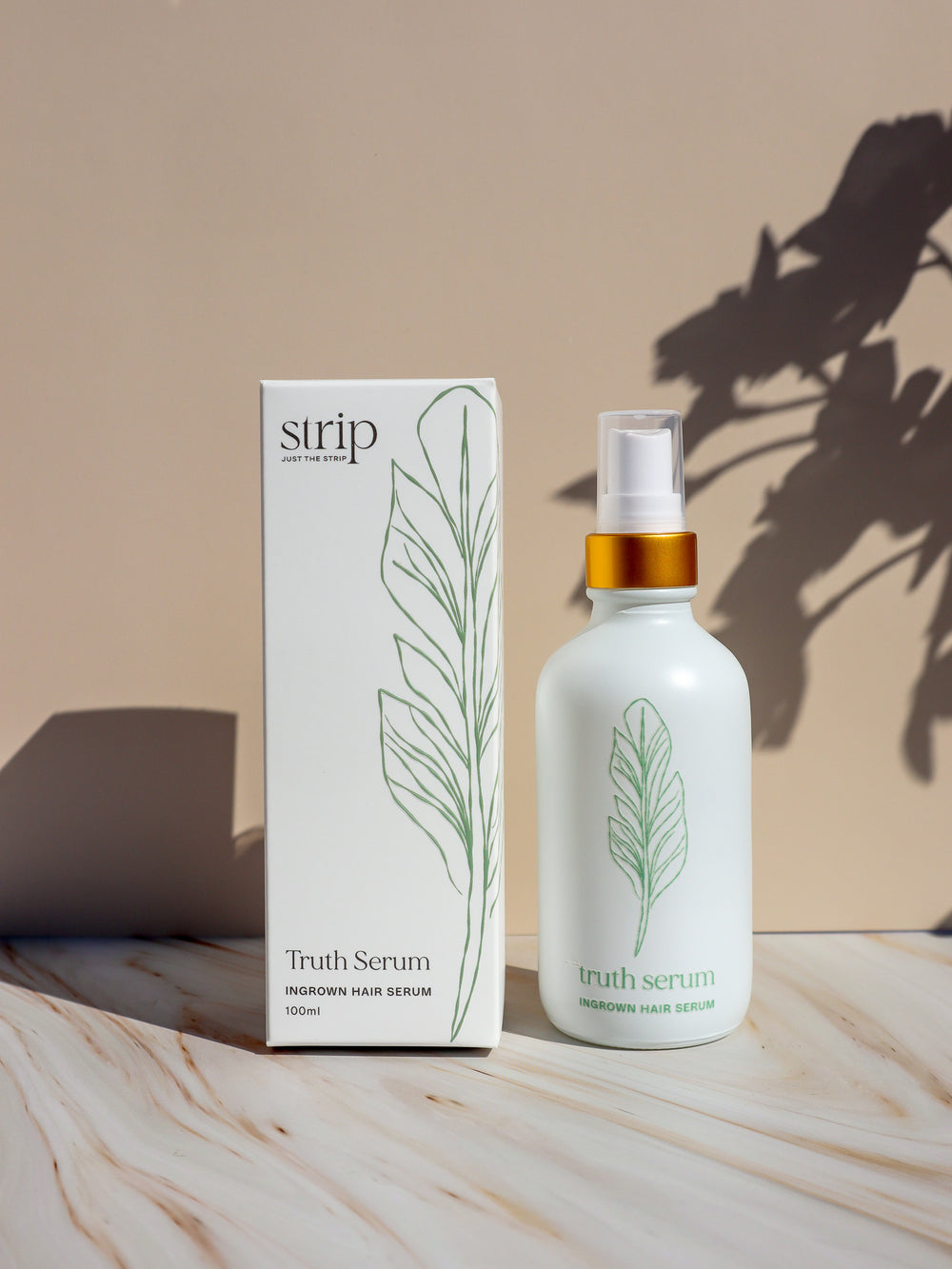
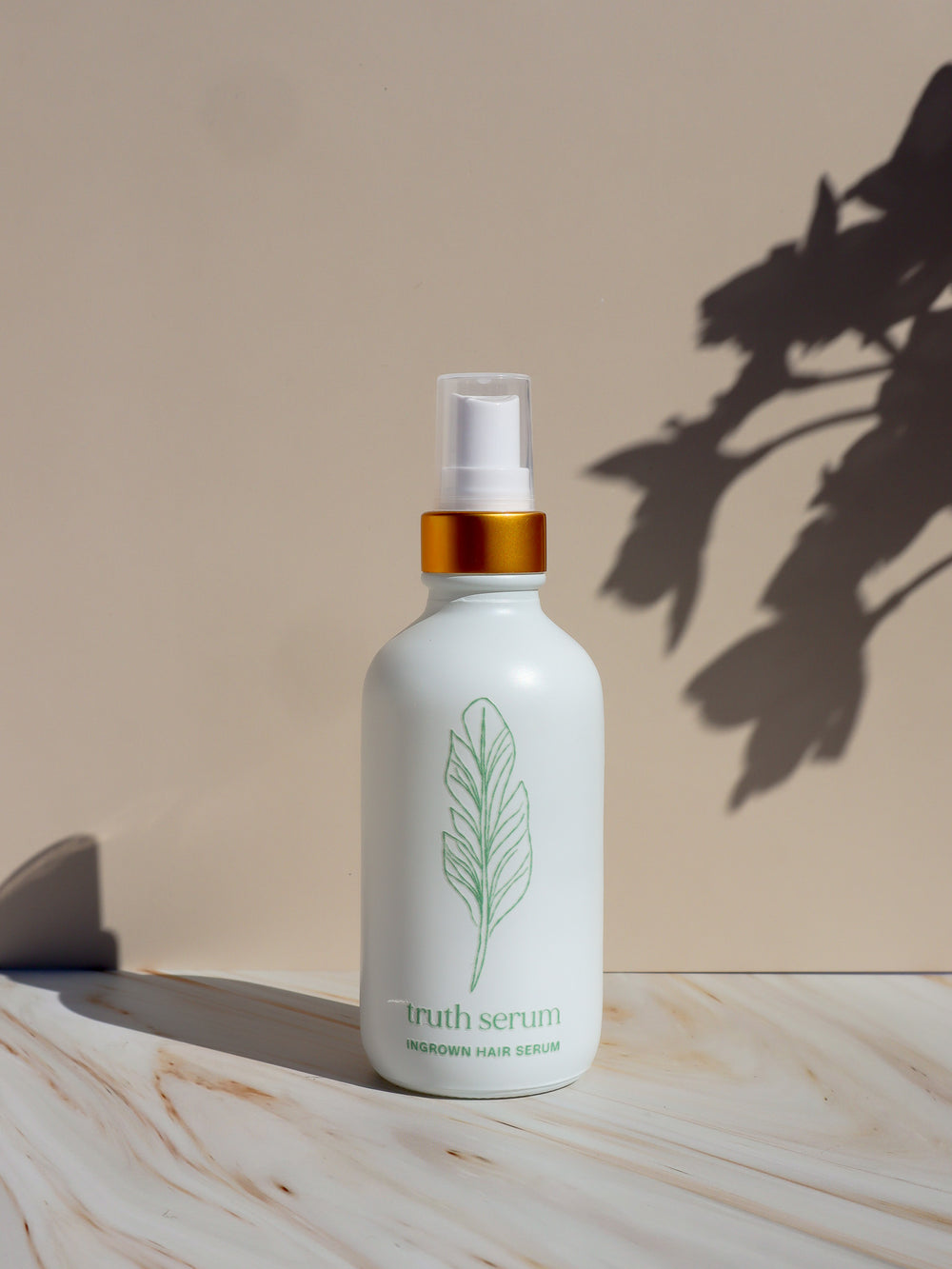
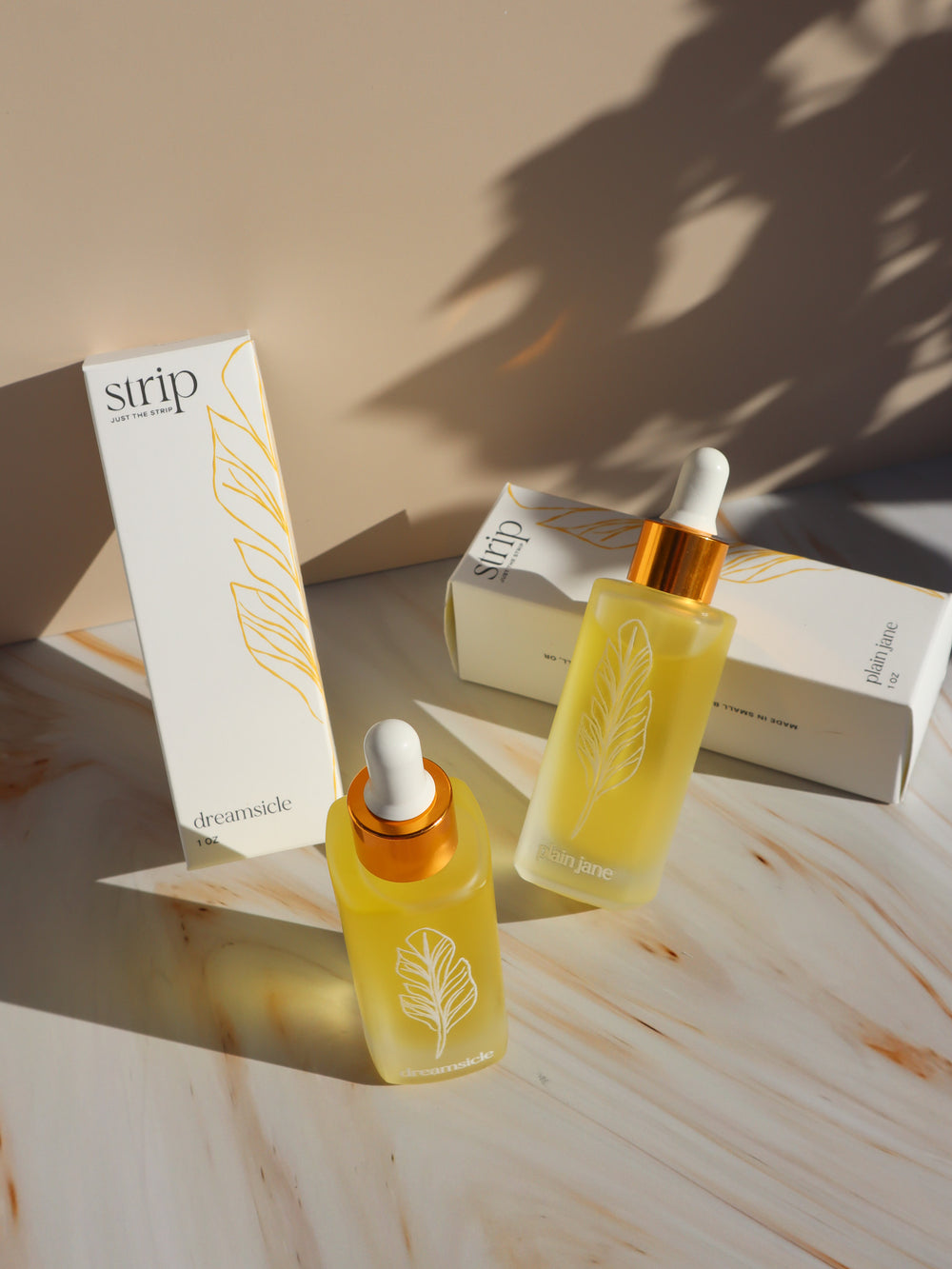
In the room, massage a little Pre and Post Wax Oil over the area to lift residue and wipe clean. Follow with Smooth Operator or, for sensitive skin and clients who are pregnant or nursing, Truth Serum, then finish with Nourishing Oil once the serum dries. Some Nourishing Oil scents contain sweet almond oil, so Plain Jane is the nut free choice. At home, clients repeat the serum and oil once a day, and exfoliation starts 24 to 48 hours after waxing. You can send clients to our Waxing Aftercare Products collection for the full routine.
Our waxes, strips, and back bar oils are sold to licensed professionals with no application and no login, and you can find them together in Strip PRO Waxing. When you are ready to stock your retail shelf, PRO 3 packs are half of retail in For the Pros Only.
Frequently Asked Questions
Do you need strips with hard wax?
No. Hard wax sets on its own and is lifted off by its edge, so it does not need strips. Soft wax is the kind that is removed with a strip.
What size are Pellon waxing strips?
Our Pellon strips are 2.75 by 8 inches and come precut, 100 to a pack. Use the full size for legs, arms, backs, and the bikini area, and cut a strip in half or thirds for brows, lip, and chin.
Can I reuse a waxing strip?
On the same client during one service, yes. A strip can be pressed down and pulled several times until it is full of wax, then thrown away. Never use a strip on more than one client.
How do I warm a 28 oz can of soft wax?
Pop the metal top off, warm the can in a hot towel caddy until the wax is fluid, and pour it into your wax pot or an insert. The 28 oz can is taller than a standard 14 oz can, so it may not fit inside every warmer. Always test the temperature on your inner wrist first.
Which soft wax is best for full body waxing?
Honey Soft Strip Wax is our everyday wax for full body services, including legs, arms, backs, chests, and underarms. For faces, Brazilians, and sensitive skin, we switch to Rosin Free Clear Soft Strip Wax.