

By Tawnya Fornerod, founder of Just The Strip and a licensed esthetician with almost 25 years of waxing experience who owns multiple waxing studios.
The short answer: Many professional waxers now use a thin layer of pre wax oil before waxing instead of powder, because the oil creates a light barrier that helps the wax grip the hair rather than the skin, and the same oil lifts sticky residue once the service is done. Powder still has a place for clients who sweat a lot. To remove wax residue from your skin, massage a little oil over the area and wipe it away gently instead of scrubbing.
Prep is the part of a wax that clients rarely notice and always feel, so I want to walk you through how I use oil before and after a service, and what I tell clients who get home and find a little wax left behind.
Why do estheticians use oil before waxing?
Estheticians use oil before waxing because a thin layer creates a light barrier between the skin and the wax, so hard wax and strip wax grip the hair rather than the skin. That means less tugging on the skin and a more comfortable wax for the client.
The routine is simple. Cleanse the skin with a pre wax cleanser, make sure it is dry, and then smooth a thin layer of Pre and Post Wax Oil over the area with your gloved hand. Wipe away any excess so there is nothing pooling on the surface, and you are ready to wax. Our Pre and Post Wax Oil is made with light sunflower oil, and it is made by us in small batches in Southern Oregon in 16 oz glass bottles with a pump for each room, plus a gallon size to refill from.
Pre wax oil or powder: which is better?
For most clients and most services, a thin layer of pre wax oil is the choice many pros now prefer, and many tell us it has replaced powder in their room entirely. For clients who sweat a lot, some pros still reach for powder first.
Powder and oil approach prep from opposite directions. Powder absorbs moisture on the skin, which can help on a client who is warm or nervous and damp before the wax even goes on. Oil gives the skin a light protective layer so the wax holds onto the hair instead, and it pulls double duty afterward by lifting residue. I think of it less as a contest and more as a judgment call you make on the table. Start with oil, keep powder nearby, and let the client's skin tell you what it needs that day.
Can I use the same oil before and after waxing?
Yes, and that is exactly what Pre and Post Wax Oil is made for: one light sunflower oil that works as the thin barrier before the wax and the residue remover after it. Keeping one oil for both steps means one bottle per room and nothing extra to reorder.
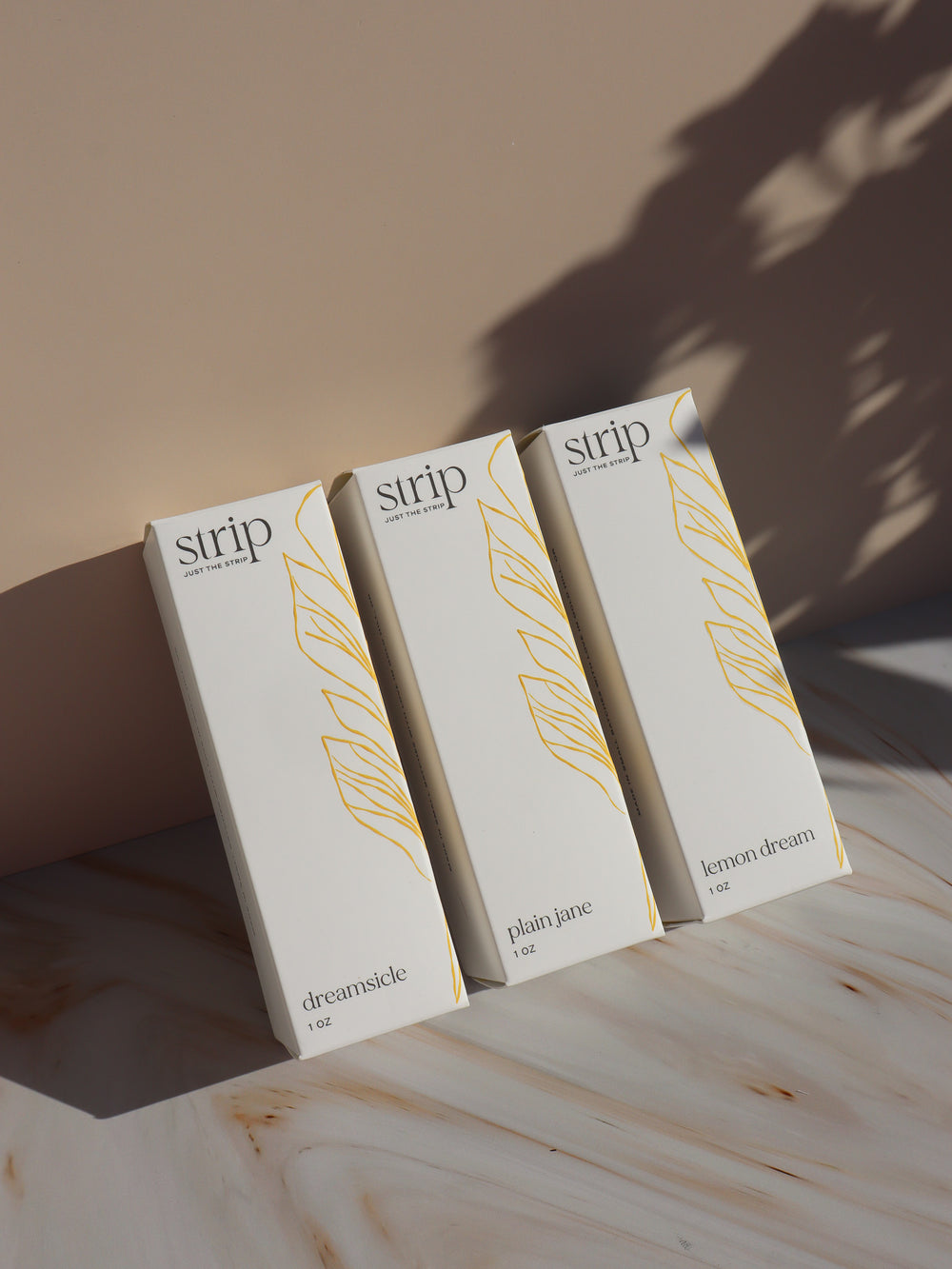
Before the service, a thin layer goes on clean, dry skin and the excess is wiped away. After the service, a little massaged over the area lifts sticky wax quickly and leaves the skin soft and hydrated, without the greasy film clients dislike. It comes in three options: Simply Unscented, which is pure sunflower oil with no fragrance, Sandalwood Vanilla, and Dreamsicle, our vanilla and citrus favorite. Whichever wax you use, including our Rosin Free Clear Soft Strip Wax, the steps are the same.
How much oil should you use under strip wax?
Use a thin layer and wipe away the excess before you wax, because too much oil can keep strip wax from gripping the hair. A little goes a long way.
The goal is a barely there layer, not a slick one. If you can see oil sitting on the skin, take a clean wipe and remove some before you spread your wax. Strip wax relies on a good grip on the hair, and an overly oiled surface gives the wax nothing to hold, which leads to extra passes and more irritation. When you find the right amount, you will notice cleaner pulls and a calmer client. Since oil on the floor makes it slippery, wipe up any spills right away.
How do I get wax residue off my skin?
Massage a little oil over the sticky spot, let it soften the wax for a moment, and then wipe it away gently with a soft cloth instead of scrubbing. Oil breaks down wax far more comfortably than water, soap, or rubbing ever will.
In the treatment room, that oil is Pre and Post Wax Oil, and it lifts residue in a few seconds. If you get home from your appointment and find a small spot of wax your esthetician missed, a few drops of Nourishing Oil do the same job, and then you can rinse the area with a gentle, fragrance free cleanser. Please do not pick at it, scrape it, or reach for a scrub, since freshly waxed skin is more sensitive for a day or two. Exfoliation starts 24 to 48 hours after waxing, and by then any residue should be long gone.
Pre and post wax oil or aftercare oil: what is the difference?
Pre and Post Wax Oil is the back bar oil you use during the service, made with sunflower oil in 16 oz and gallon sizes, while Nourishing Oil is the aftercare oil that finishes the service and goes home with the client. Nourishing Oil is made with grape seed, jojoba, tea tree, and copaiba.
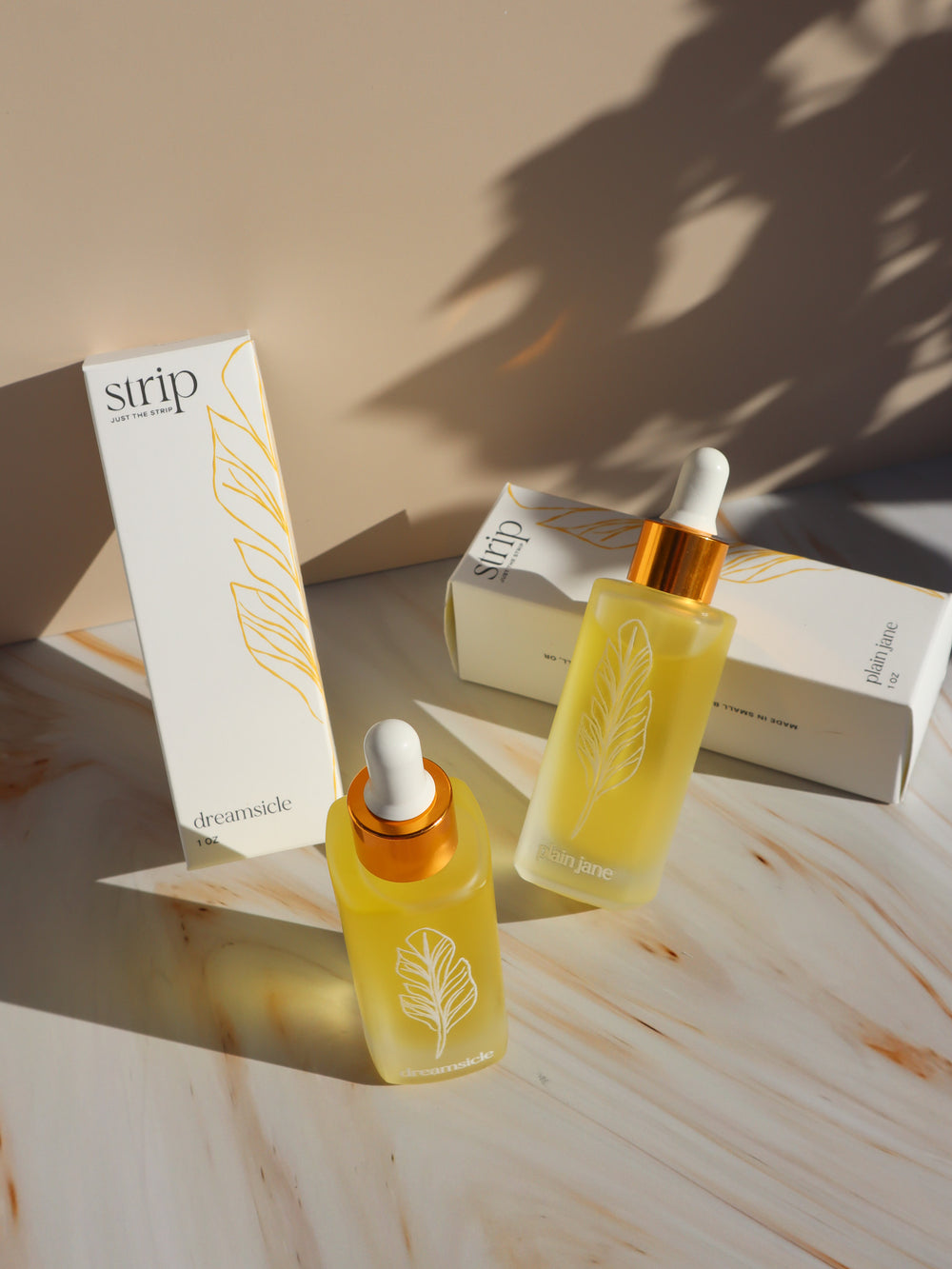
Nourishing Oil goes on once your ingrown hair serum has dried. Grape seed and jojoba oils hydrate without feeling heavy, tea tree leaf oil helps keep the follicle clean, and copaiba resin soothes. Clients use three to five drops on the body and two or three on the face, once a day between appointments. Some scents contain sweet almond oil, so Plain Jane is the nut free choice, and it is also fragrance free. Like our Pre and Post Wax Oil, every bottle of Nourishing Oil is made by us in small batches in Southern Oregon.
For the treatment room, the 8 oz back bar Nourishing Oil has a glass pump bottle so it is quick and clean to use on every client, and using the same oil in the room that clients take home is the easiest way to sell it. The 1 oz retail bottle is sold in PRO 3 packs at half of retail. There is no application and no login, and you can find everything in For the Pros Only and our Strip PRO Waxing collection.
Frequently Asked Questions
Which Pre and Post Wax Oil scent should I choose?
Simply Unscented is pure sunflower oil with no fragrance, the best choice for sensitive skin and clients who prefer no scent. Sandalwood Vanilla is warm and soft, and Dreamsicle is our vanilla and citrus favorite.
Can I use pre wax oil on irritated or broken skin?
No. Do not use Pre and Post Wax Oil on broken or irritated skin, and patch test clients with very sensitive skin before the service.
Can clients take Pre and Post Wax Oil home?
Pre and Post Wax Oil is a back bar product sold to licensed professionals for use in the treatment room. For home care, clients use Nourishing Oil, which comes in 1 oz retail bottles.
What sizes does Pre and Post Wax Oil come in?
It comes in a 16 oz glass bottle with a pump, which works well for each treatment room, and in a gallon size to refill from.
Should I exfoliate to get rid of wax residue?
No. Remove residue with a little oil and a soft cloth instead. Freshly waxed skin is more sensitive, so wait 24 to 48 hours after waxing before you exfoliate.